Legal Framework: Canada Labour Code & Provincial Standards
Statutory holidays in Canada are regulated federally under Part III of the Canada Labour Code (R.S.C., 1985, c. L-2) for federally regulated sectors (such as banking, telecommunications, and interprovincial transport), while the vast majority of Canadian workers are governed by provincial and territorial Employment Standards Acts (such as the Ontario Employment Standards Act, 2000 or the Alberta Employment Standards Code). Each province has constitutional jurisdiction to designate general paid holidays.
Federal Statutory Holidays and Nationwide Observances
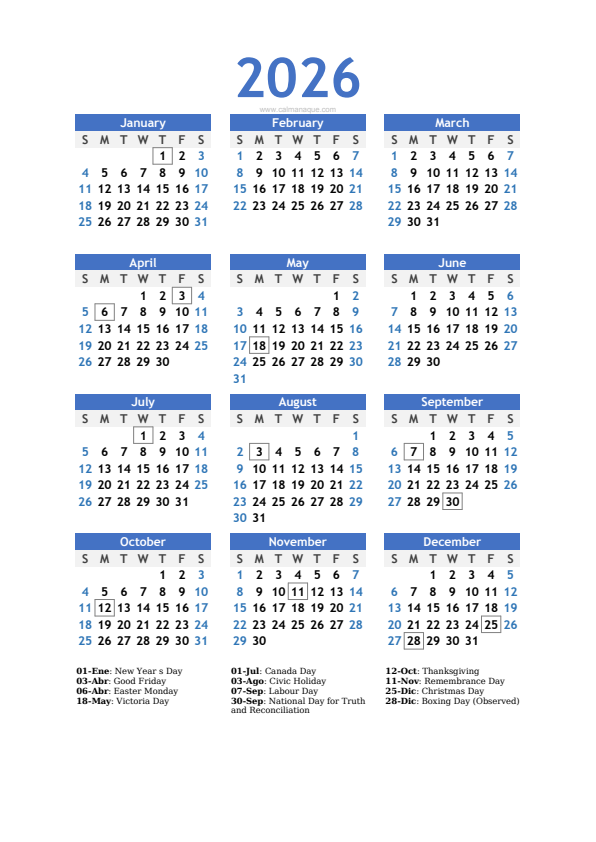
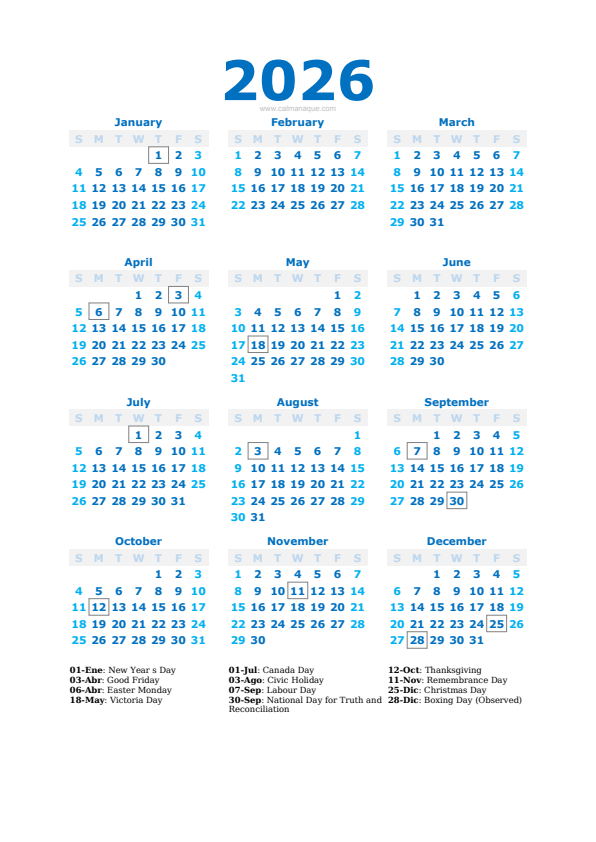
Nationwide, standard statutory holidays include New Year's Day, Good Friday, Canada Day (July 1), Labour Day (first Monday in September), and Christmas Day. In recent years, the Federal Government established the National Day for Truth and Reconciliation (September 30) for federal employers. Provinces also establish statutory observances such as Family Day (third Monday in February in Ontario, Alberta, BC, and Saskatchewan), Victoria Day (Monday preceding May 25), and Thanksgiving (second Monday in October).
Substitute Holidays & 'In-Lieu' Observance Rules
Under both federal and provincial legislation, when a fixed calendar holiday—such as Canada Day or Christmas Day—falls on a weekend (Saturday or Sunday), employers are legally required to grant an alternate day off with pay, typically on the preceding Friday or the following Monday. Working on a statutory holiday entitles qualified employees to their regular daily wage plus premium holiday pay (commonly 1.5 times the regular rate).
North American Letter Print Specifications
Our 2026 vector printable calendars for Canada are specifically formatted to standard North American Letter dimensions (8.5 × 11 inches / 215.9 × 279.4 mm). Scalable vector rendering delivers razor-sharp typographic clarity with low-density line weights designed to minimize printer ink and toner consumption.