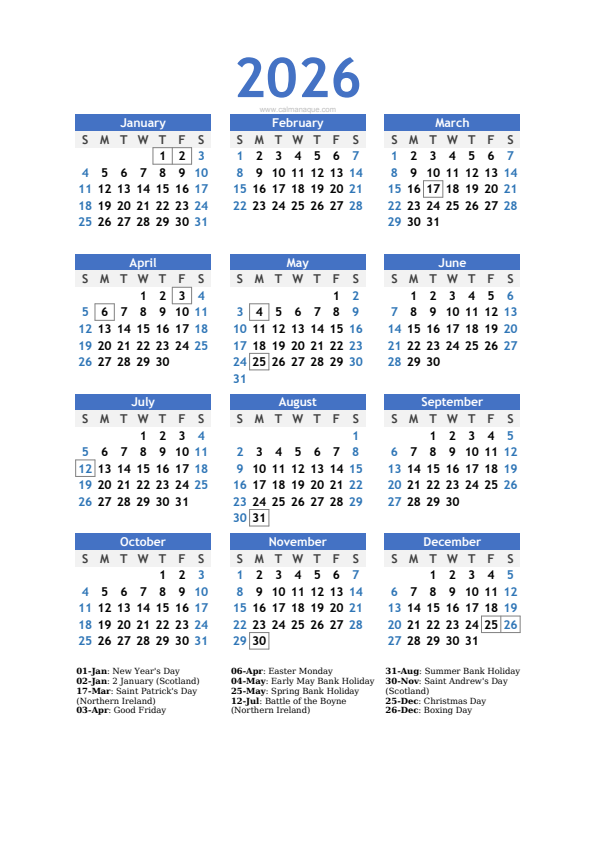
Public holidays in the United Kingdom serve as essential pillars for societal rhythm, providing structured pauses in the calendar that facilitate community engagement and individual respite. The designation of June 15, 2026, as a public holiday represents one such instance where the national schedule acknowledges the importance of downtime. Unlike holidays rooted in ancient religious festivals or significant political milestones, certain dates function to balance the pressures of modern professional life, offering a reprieve that is widely appreciated by the workforce and students alike. These days often allow for a softening of the rigorous pace associated with urban environments, encouraging people to utilize the time according to their personal needs, whether through visiting family, engaging in leisure activities, or simply observing the temporary stillness that descends upon public institutions and commercial hubs. The experience of a public holiday in the UK is frequently defined by the specific atmosphere it generates in towns and cities. On such a Monday, the usual intensity of early morning commuters is absent, and there is a noticeable shift in the tempo of public life. While essential services remain operational to ensure the safety and well-being of the population, the broader economy enters a state of controlled suspension. This temporary cessation of routine acts as a collective acknowledgment that human endeavor benefits from regular interruption. For many, this specific date provides an opportunity to participate in seasonal activities, taking advantage of the early summer period to spend time outdoors or attend local events that might otherwise be overlooked during a busy work week. The historical evolution of these breaks reflects broader changes in British culture. Centuries ago, time off was largely dictated by agricultural cycles and ecclesiastical calendars. In the modern era, the legislative framework governing bank holidays has evolved to ensure a predictable distribution of rest days. These measures were historically designed to prevent bank workers from being deprived of their rest, yet the impact has cascaded across all sectors of society. Understanding the significance of a date like June 15 involves appreciating that while it may lack the storied myths associated with older, traditional festivities, its functional role is paramount. It allows for the synchronization of rest across diverse professional sectors, fostering a rare moment where the majority of the population shares the same temporal landscape. Social cohesion is subtly reinforced when people share a day away from their professional duties, as it permits the scheduling of social gatherings and personal reunions that might otherwise prove difficult to coordinate. Throughout the country, local councils and community organizations often recognize the potential of such a day to host neighborhood initiatives. Parks, public gardens, and heritage sites frequently experience a surge in visitors, as families seek to make the most of the free time. Curiosities surrounding such holidays often lie in the logistical precision required to manage them on a national scale. The coordination between transport networks, emergency services, and public infrastructure reflects a sophisticated level of organization that is often taken for granted until it is required. Furthermore, the psychological impact of a mid-year break cannot be overstated, as it provides a tangible goal for individuals managing demanding workloads. The absence of a deep-seated historical narrative for this specific day does not diminish its value; instead, it highlights a contemporary appreciation for temporal flexibility and the right to rest. As the UK continues to navigate the complexities of a globalized economy, the preservation of these holidays remains a testament to the persistent desire for balance. The stillness of a Monday public holiday is a quiet yet powerful expression of a society that values the health of its citizens and the importance of preserving time for personal pursuits. Whether utilized for quiet reflection, community involvement, or the simple enjoyment of a day without the constraints of professional obligation, June 15 serves its purpose as a functional, necessary intermission in the collective experience of the nation.
Public Holiday
June 15, 2026, marks a public holiday in the United Kingdom. This day offers a moment for reflection and rest, allowing citizens across the country to step back from their usual routines and engage in local commemorations or simply enjoy a well-deserved break during the working week.