The events of July 1690 continue to resonate deeply through the fabric of Northern Irish history, serving as a defining moment that altered the trajectory of the British Isles. The engagement itself occurred along the banks of the River Boyne in Ireland, unfolding during a turbulent period known as the Williamite War. This conflict was not merely a local dispute but a critical theater within the Nine Years' War, a broader European power struggle pitting the expansionist interests of Louis XIV of France against the Grand Alliance, which included the Dutch Republic and the Papal States. The central tension revolved around the legitimacy of the throne following the Glorious Revolution of 1688, which had fundamentally challenged the rule of King James II.
On one side of the river stood the forces of King William III, a coalition characterized by its multi-national makeup. His ranks were bolstered by seasoned professionals from the Dutch Republic, Denmark, and various Huguenot regiments, alongside English, Scottish, and Ulster Protestant soldiers, most notably the experienced Enniskilliners. Opposing them were the Jacobites, who primarily consisted of Irish Catholics reinforced by French professional troops and various loyalist factions from England and Scotland supporting the deposed James II. The clash represented a fundamental struggle for control, not just of Ireland, but of the crowns of England and Scotland.
The battle reached its decisive intensity when William's forces executed a tactical maneuver across the river, overcoming the Jacobite defensive positions. The tactical success of the Williamites effectively secured their hold on the region and forced the withdrawal of James II, who soon after left for France. While the fighting lasted for several hours, its implications were immediate and lasting, cementing the dominance of the Protestant interest in the political administration of Ireland for generations. The victory effectively ended the hopes of James II for a swift restoration to his former authority and significantly bolstered William III's position on the British throne.
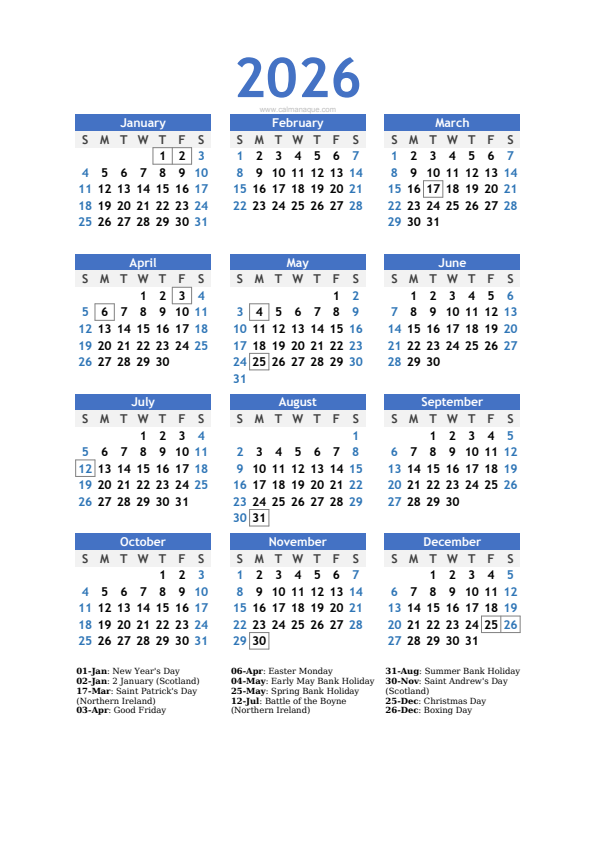
Observing this event in the contemporary United Kingdom serves as a complex reminder of the intricate and often divisive historical narrative that defines the region. For many, the annual commemoration is an expression of cultural heritage, rooted in the preservation of tradition and the acknowledgment of ancestral loyalty. It is a time when local communities engage in parades and public demonstrations that serve to reenact or celebrate the narrative of 1690. However, these observances are inseparable from the broader historical context, as the legacy of the battle has been woven into the political tapestry of Northern Ireland. The significance attributed to the event can shift depending on one's historical perspective, making it a powerful symbol within the ongoing dialogue about identity, history, and community relations.
Beyond the political and military dimensions, the event invites reflection on the shifting nature of historical memory. The transition of the date from the original Julian calendar to the current Gregorian calendar highlights how even the timing of such an event can be interpreted and reinterpreted over centuries. It stands as a testament to how past conflicts, regardless of their original intent, can be imbued with new meanings by successive generations. The story of the Boyne is not confined to the riverbank where the soldiers fought; it lives on in the songs, banners, and narratives that persist throughout Northern Ireland. It remains an essential chapter for anyone looking to understand the forces that have shaped the modern political landscape, illustrating how a single day of combat can influence the trajectory of nations for hundreds of years. The persistence of these commemorations underlines the enduring power of historical myth-making and the role that national, religious, and political legacies play in informing how people see themselves in the modern world.