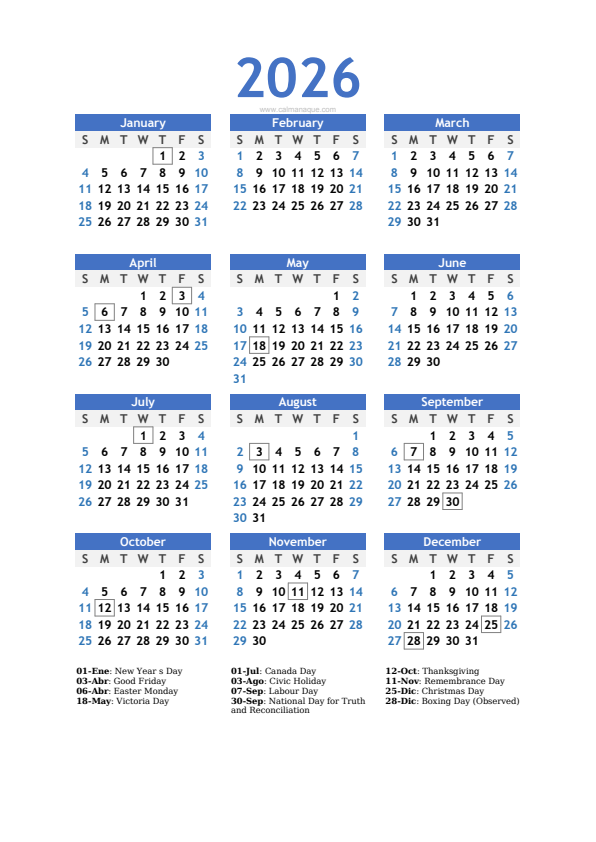
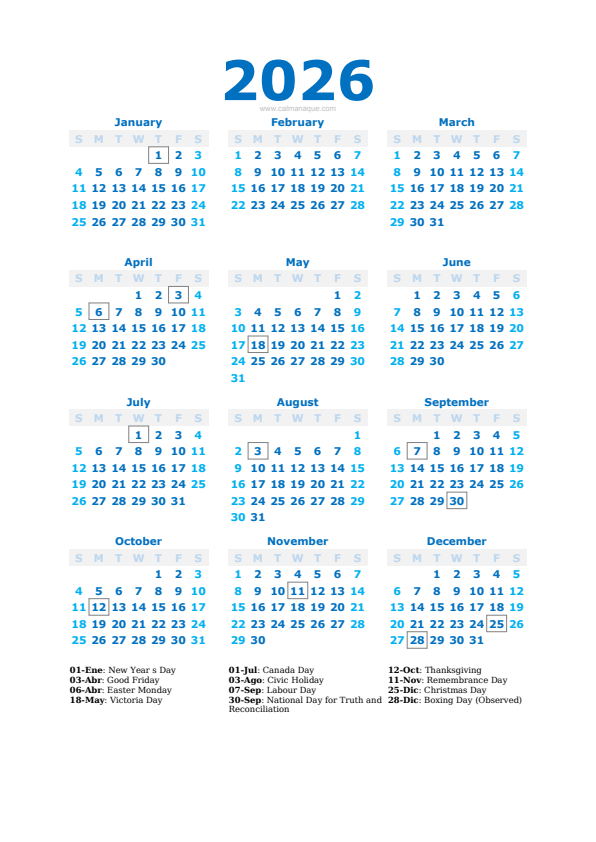
The roots of Canada Day stretch back to the mid-nineteenth century, a period defined by the ambition to forge a unified entity out of British North American colonies. On July 1, 1867, the British North America Act came into effect, effectively joining the provinces of Ontario, Quebec, Nova Scotia, and New Brunswick into a single dominion. This monumental shift did not signify immediate and total independence in the modern sense but rather marked the birth of a nation under the umbrella of the British Empire. It was the primary step toward the Canada that exists today, serving as the foundational moment that brought diverse regions together under a common federal structure. Throughout the late nineteenth and early twentieth centuries, communities across the emerging country celebrated this anniversary with varied enthusiasm, though it was formally established as a legal holiday named Dominion Day in 1879. This title reflected the status of the country as a dominion and remained the standard designation for over a century. During these decades, the annual observation often leaned heavily into loyalist sentiments and colonial connections, yet it simultaneously fostered a developing sense of national consciousness among the citizenry. The societal and political landscape of the nation underwent significant changes following the Second World War, as the appetite for complete sovereignty grew alongside a stronger Canadian identity distinct from British oversight. This slow maturation of the national psyche eventually culminated in a major constitutional milestone in 1982. The enactment of the Canada Act that year served as the final act of patriation, severing the last vestiges of legislative dependence on the Parliament of the United Kingdom and granting Canada full control over its constitutional destiny. In acknowledgment of this transition, the holiday was officially renamed Canada Day, a change that signaled a more inclusive and assertive national image that resonated with a broader spectrum of the population. Celebrations today are diverse and reflect the vast geography and cultural mosaic of the nation. While official ceremonies are centered in the national capital, Ottawa, where grand festivities, cultural performances, and patriotic displays draw thousands of residents and visitors, the spirit of the day is mirrored in countless small-town parades, community barbecues, and localized gatherings from the Atlantic shores to the Pacific coast. It is a time when the common values of diversity, inclusion, and democratic resilience are highlighted as pillars of the national experience. The day also serves as a platform for reflection on the multifaceted history of the land, acknowledging both the achievements of the confederation process and the complex narratives involving Indigenous peoples that predate and intersect with the formation of the country. Many Canadians take advantage of the summer weather to engage in outdoor activities, attend fireworks displays that illuminate the night skies, and participate in events that celebrate Canadian food, music, and art. These rituals are essential threads in the social fabric, providing a rare opportunity for people across different regions to pause and consider the trajectory of their country from a collection of colonies into a modern, sovereign nation. Beyond the formal pageantry, the day serves as a moment of civic engagement, where citizens are encouraged to consider the privileges and responsibilities inherent in their national membership. The evolution from Dominion Day to Canada Day is often viewed as a shorthand for the country’s journey toward self-definition, representing a move from being a sub-component of a larger empire to being a distinct voice in the international arena. As the sun sets on the first day of July each year, the collective focus shifts toward the future, contemplating the ongoing challenges and opportunities that lie ahead for the diverse populace of this expansive and evolving federation.
Canada Day
Canada Day marks the historic anniversary of the 1867 Confederation. Discover how this day evolved from Dominion Day into a modern national celebration that defines Canadian identity, history, and unity across its provinces and territories each July 1st.