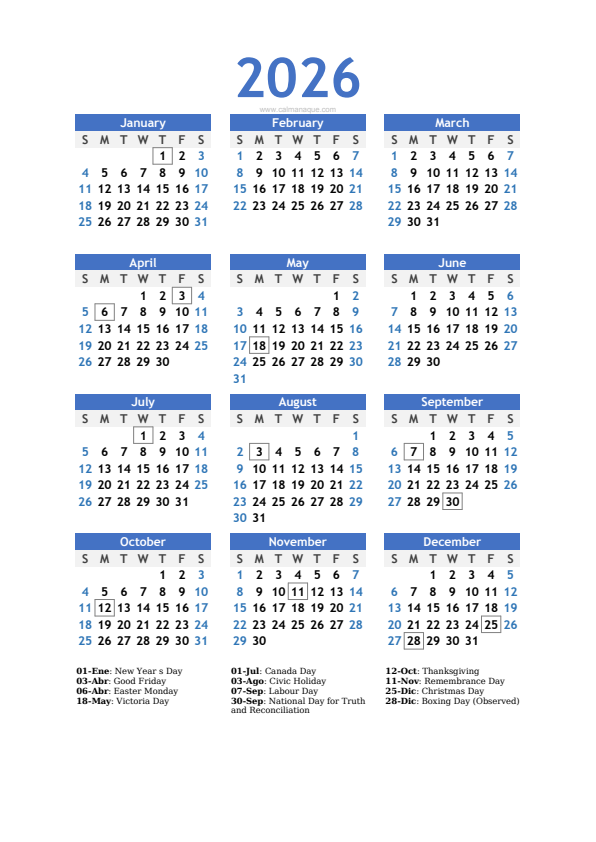
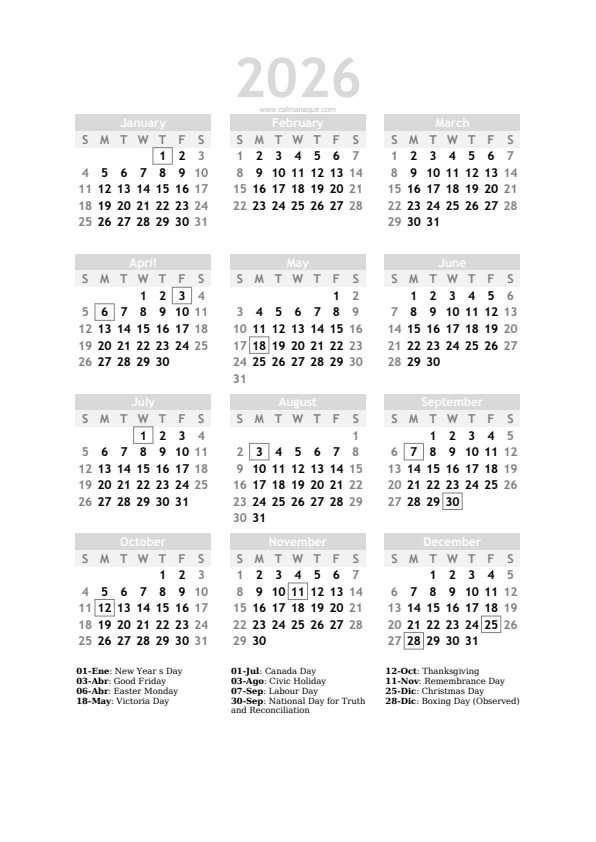
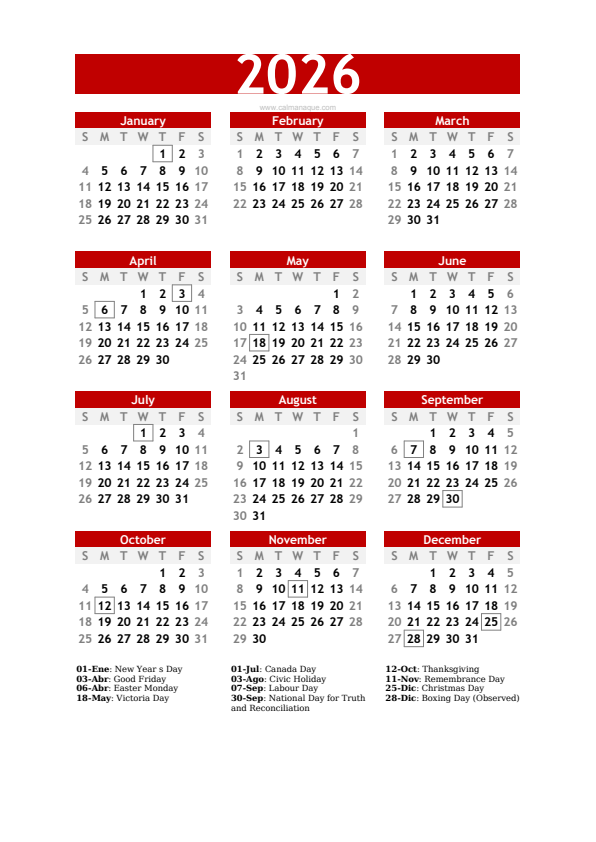
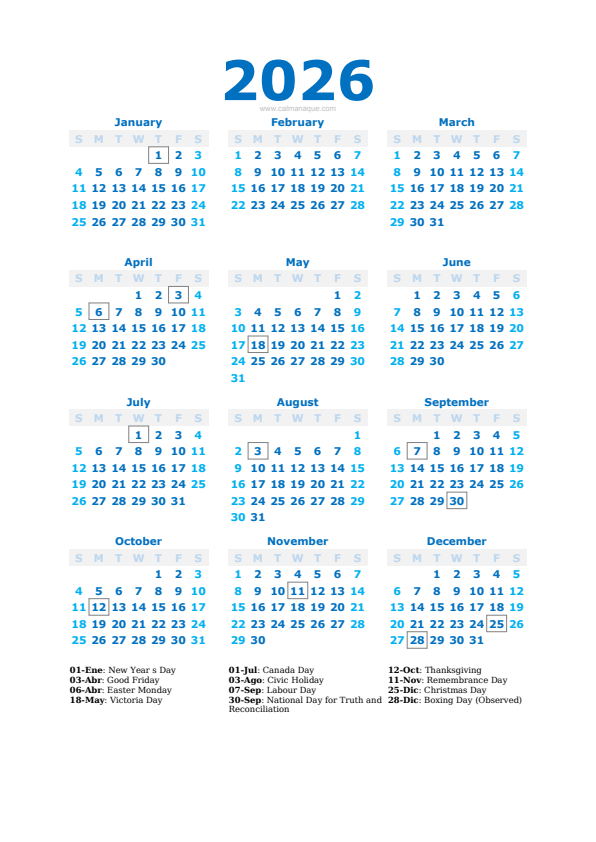
The observation of Christmas Day in Canada is a deeply embedded aspect of the national calendar, functioning as a non-laborable day that brings the country to a quiet standstill. On December 25, 2026, which falls on a Friday, Canadians from coast to coast will step away from their professional obligations to focus on personal connections and ancestral legacies. While the holiday is rooted in historical religious traditions, its contemporary expression in Canada has evolved into a broadly inclusive cultural phenomenon that resonates with individuals regardless of their personal belief systems or specific ethnic backgrounds. The essence of the day often revolves around the cultivation of home environments, where the warmth of indoor gatherings stands in stark contrast to the often freezing temperatures and snowy landscapes characterizing the Canadian winter. This duality between the cold outdoor environment and the intimate, heated interiors of homes serves as a foundational element of the collective experience during this season. Preparing traditional meals, exchanging tokens of affection, and spending time with close family members are common practices that have remained staples of the day for generations. Beyond these private acts, the holiday period often sees a notable uptick in community engagement and charitable activities, reflecting an underlying national value of communal support during the coldest months of the year. Historically, the evolution of Christmas in Canada has been influenced by a blend of European, Indigenous, and contemporary multicultural inputs, creating a unique tapestry of celebrations. While the core date remains fixed as a public holiday, the associated festivities often extend well beyond the single day, coloring the entire latter part of the month with a sense of anticipation and relief from the rigors of the work year. The economic and social impact of designating December 25 as a non-laborable day is substantial, as it encourages a massive redirection of national energy toward domestic and social spheres. This deliberate interruption in the flow of commerce and labor allows for a necessary reset, providing a rare period of time where the majority of the population is synchronized in its pursuit of rest and fellowship. Schools, government offices, and most private businesses close their doors, reinforcing the societal consensus that this time should be reserved for personal relationships rather than economic productivity. The preparation for the holiday frequently starts weeks in advance, leading to a palpable build-up of activity that culminates on the day itself. Even in modern times, with the rapid digitization of social interaction, the physical act of coming together remains a prized objective for most Canadians. This emphasizes the importance of place, as people travel across the vast geography of the country to unite with their loved ones, sometimes braving significant winter conditions to do so. These travel efforts, often made in the spirit of duty and love, underscore the significance the date holds. For many, it is also a moment for reflection on the year that has passed and the year that is to come, offering a pause before the transition into the new calendar year. The prevalence of various secular and cultural decorations throughout the country reflects an effort to brighten the surroundings during a time of long nights and short days. These outward expressions of the season contribute to a shared environment that, while varied in specific practice, remains unified in its timing and general intent. Throughout the different provinces and territories, local nuances may influence how the day is spent, yet the underlying recognition of the public holiday remains universal across the Canadian landscape. Whether through the preparation of unique heritage dishes or the adoption of new, modern traditions, the day serves as a vital touchstone for Canadian society, reinforcing the bonds that tie individuals to their families and their communities in a meaningful and lasting way.
Christmas Day
Christmas Day on December 25, 2026, marks a significant public holiday across Canada. As families gather to celebrate, the nation pauses its labor to embrace a time of reflection, generosity, and shared tradition amidst the height of the beautiful Canadian winter season.