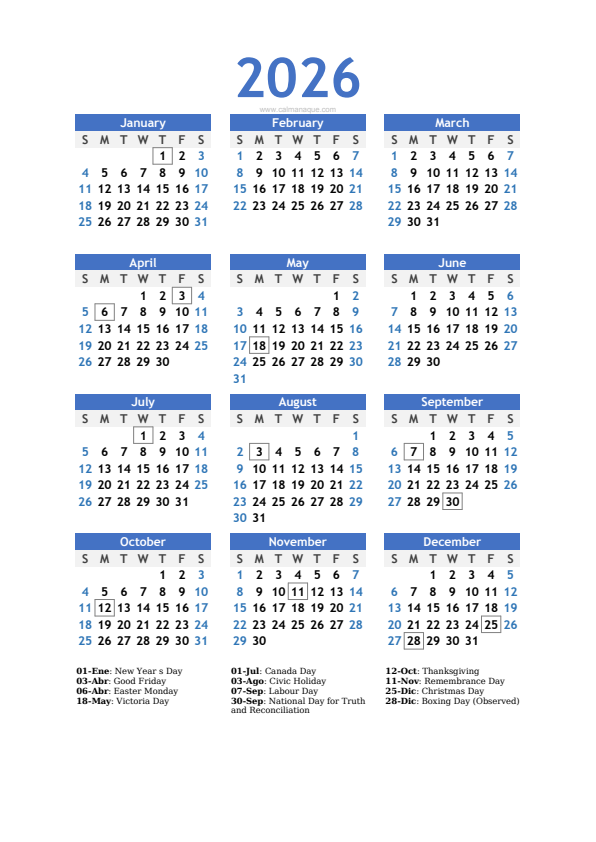
The eleventh hour of the eleventh day of the eleventh month serves as a pivotal moment for collective reflection across Canada. As the nation prepares for Remembrance Day on November 11, 2026, the silence that falls across towns and cities is not merely an absence of noise but a deliberate act of gratitude and remembrance. This date marks the official end of hostilities in the First World War, yet the day has evolved far beyond its initial purpose of commemorating the armistice of 1918. It now stands as a comprehensive day of tribute to every Canadian who has served the country in military uniform, whether in wartime or during the various peacekeeping missions that have defined Canada’s international presence over the decades. The evolution of this day is deeply rooted in Canadian history, reflecting the nation's shifting approach to commemorating sacrifice and the complexity of its military legacy. Before the world was irrevocably altered by the Great War, Canadians participated in local traditions such as Decoration Day, which honored soldiers of previous conflicts like the Battle of Ridgeway, or specific dates marking victories in the Boer War. When the First World War concluded, there was an immediate and overwhelming need to find a suitable way to honor the millions who had perished. By 1919, the country observed its first Armistice Day. However, the path to the current, fixed observance was not immediate. In the early 1920s, the Canadian Parliament sought to combine this solemn occasion with the Thanksgiving holiday, typically anchoring it to the Monday of the week in which November 11 fell. This arrangement proved difficult for many who felt that the festive nature of Thanksgiving clashed with the somber reality of mourning war dead. The tension between celebrating harvest and grieving loss eventually led to a legislative change in 1931. The federal government passed an act that separated these distinct days, officially renaming the solemn occasion Remembrance Day and enshrining November 11 as its permanent, fixed date. This decision allowed the nation to focus its collective energy on a singular purpose. Today, the day remains a profound experience for Canadians, marked by the iconic wearing of the poppy—a symbol deeply embedded in the national consciousness by the verses of Lieutenant-Colonel John McCrae, who served as a medical officer and captured the haunting landscape of the battlefields in his writing. Throughout the country, from the National War Memorial in Ottawa to small community cenotaphs, veterans, active service members, and civilians gather to stand in silent reflection. Beyond the primary observance, Canada has recognized the need to broaden the scope of its historical appreciation. The establishment of National Aboriginal Veterans Day in 1994 highlighted the long and vital role Indigenous peoples have played in the Canadian military, often despite facing systemic barriers. Similarly, the designation of Merchant Navy Remembrance Day on September 3 acknowledges the brave sailors who ensured vital supplies reached their destinations during times of conflict, often at extreme personal risk. These additions illustrate that the act of remembrance in Canada is not static; it is a living process that continuously seeks to be more inclusive of all who have contributed to the country's security and sovereignty. As Canadians observe this day in 2026, the quiet ceremony remains one of the few instances where the entire nation stops in unison. It is a time when the noise of modern life is put aside to make room for history, for stories of resilience, and for the acknowledgment of a debt that can never be fully repaid. It serves as a bridge between the generations, ensuring that those who lived through the horrors of war are not forgotten by those who have only known peace. The experience is deeply personal for many families, while for others, it is an expression of citizenship and national identity. Whether one is watching a wreath-laying ceremony, listening to the haunting notes of the Last Post, or simply standing quietly in their own home, the day acts as a reminder of the fragility of the peace that Canada seeks to protect. This ongoing tradition remains essential not only to preserve the names and deeds of the past but to inform the future about the heavy responsibility that comes with freedom and the importance of striving for a world where such sacrifices might eventually become a memory of a distant, less enlightened era.
Remembrance Day
On November 11, 2026, Canada observes Remembrance Day to honor those who served. This solemn national day of reflection marks the sacrifices made in wars and peacekeeping operations, inviting all citizens to pause and remember the profound cost of the peace we enjoy today.