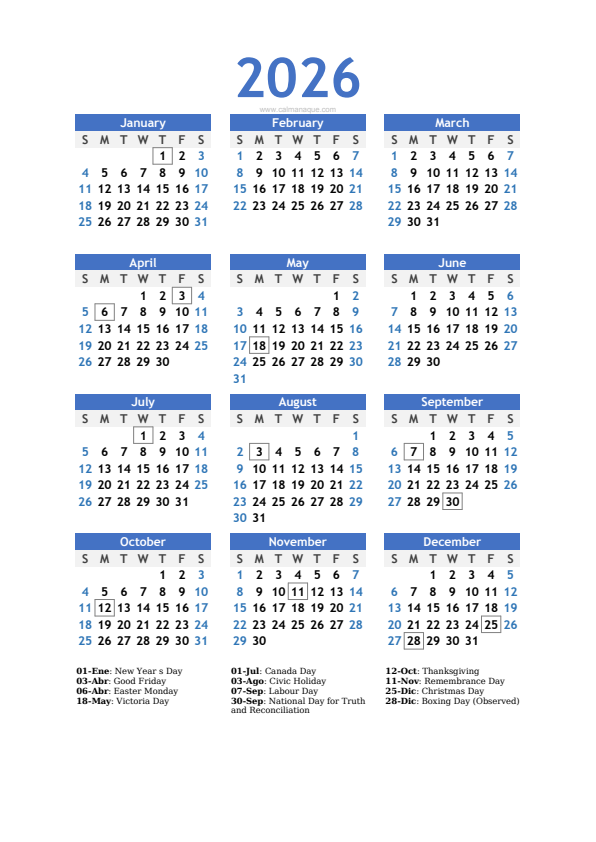
The day following Thanksgiving in Canada stands as a fascinating bridge between quiet reflection and the energetic arrival of the winter shopping season. While the date itself is defined by the calendar, its character has shifted remarkably over the decades, turning from a routine Friday into one of the most anticipated moments in the retail world. This transformation reflects broader changes in how society balances time for family, travel, and the growing momentum of commerce that bridges the gap between autumn holidays and the festive season that follows. To understand the roots of this phenomenon, one must look back to the mid-20th century in Philadelphia, where the term that eventually swept across North America first appeared. During that era, local police officers utilized the phrase to characterize the intense congestion, crowded sidewalks, and general atmosphere of disorder that erupted in the city as masses of shoppers flooded the streets immediately following the Thanksgiving holiday. At the time, the descriptor carried a distinctly negative connotation, highlighting the operational challenges faced by municipal services during what should have been a peaceful transition between work and leisure. However, as the decades passed and the retail sector expanded, business leaders recognized the immense potential in this surge of consumer activity. By reinterpreting the name, they reframed the narrative, moving away from the focus on traffic and discord to suggest that the day actually marked a shift in financial status for retailers. According to this new perspective, the influx of spending helped balance account books, moving them from the red ink of losses to the black ink of profitable growth. This successful rebranding campaign turned what was once a civic headache into a powerful engine for national commerce. Beyond the commercial narrative, the observance of the day grew in step with changes in the professional landscape. Throughout the latter part of the twentieth century, the concept of the long weekend gained traction as various states and provinces began to recognize the necessity of allowing employees additional time to navigate the logistical demands of holiday travel. When public sectors adopted the practice of granting the Friday off to create an extended break, private employers soon followed suit. This systemic shift not only facilitated family gatherings but also unintentionally provided consumers with the exact window of time needed to participate in the retail events that define the day. Today, the day acts as a functional kickoff for the holiday shopping experience, drawing families out of their homes and into marketplaces to hunt for deals. It sits at a unique intersection of social obligation and economic opportunity, where the memory of earlier festive celebrations lingers while the anticipation of impending year-end festivities begins to build. The intensity of this day has only deepened with technological advancements, which have further streamlined the way people interact with retail environments. While the early days were defined by the physical struggle of navigating crowded downtown streets, modern iterations of the day have become highly orchestrated events designed to maximize engagement. Despite these changes in how people shop, the core significance of the day remains rooted in its timing. It represents the final major hurdle of the autumn season before the onset of the year's closing weeks. Canadians engage with this day not just as an opportunity for acquisition, but as part of an established seasonal rhythm that signals the true onset of the busy winter months. The evolution from a local police term to a national economic institution remains one of the most significant shifts in modern consumer culture, demonstrating how a simple label, when adopted by the right forces, can reshape the behaviors of an entire population. Whether one approaches the date as a dedicated bargain seeker or simply as an observer of shifting social trends, the day after Thanksgiving occupies a singular place in the calendar, bridging the quiet traditions of earlier gatherings with the high-energy demands of contemporary commerce.
Day after Thanksgiving
Discover the unique story behind the day after Thanksgiving in Canada, known globally as Black Friday. Learn how this busy Friday evolved from a chaotic day of city traffic into a major retail milestone that now defines the start of the holiday shopping season for millions across Canada.