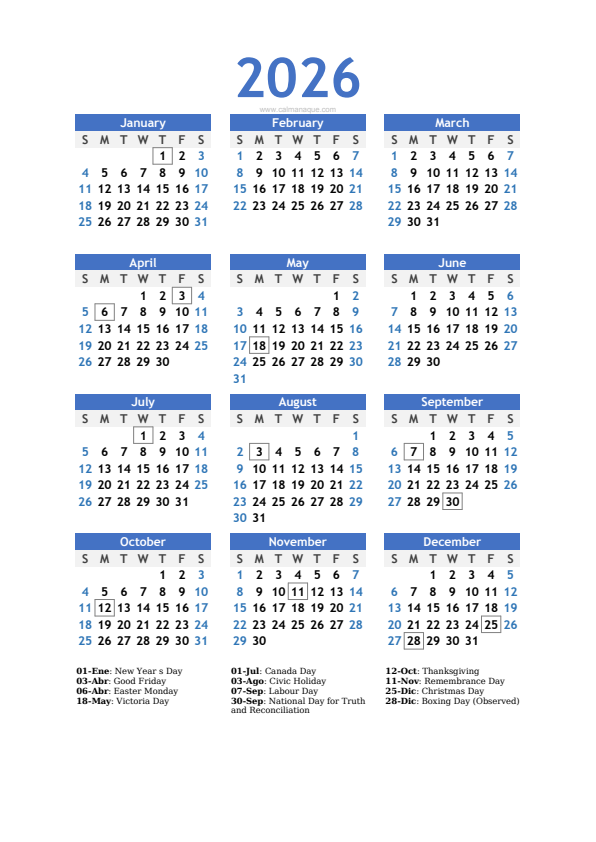
As the first Monday of August approaches, residents across British Columbia prepare for a day that serves as a cornerstone of provincial identity. Unlike federal holidays that encompass the entirety of the Canadian landscape, B.C. Day stands as a distinct celebration tailored to the singular history and character of the westernmost province. It is a moment when the frenetic pace of modern life slows, allowing individuals and communities to acknowledge the long trajectory that transformed a vast, rugged territory into a modern, vibrant home. The roots of this observance stretch back to the mid-twentieth century, specifically emerging from the political and cultural climate of 1974. During that period, the provincial government, under the leadership of Dave Barrett and the NDP administration, recognized the need for a formal day that would ground the provincial spirit in its own specific narrative. The legislation was not merely a administrative action but a deliberate attempt to foster a sense of belonging and continuity. By codifying the holiday into law, the government ensured that the province would forever maintain a dedicated time to look back at the foundational events that defined its political existence. The primary inspiration for this commemoration is found in the nineteenth century, specifically the monumental declaration made by the Westminster Parliament on August 2, 1858. On that day, British Columbia was formally established as a Crown Colony, a pivotal development that set the administrative and territorial framework for what would later evolve into a province of the Canadian confederation. While the specific date of the holiday fluctuates on the calendar to ensure it always falls on a Monday, its purpose remains anchored to that distant, consequential moment in August 1858. It is fascinating to consider how a legislative act from the mid-1970s was crafted to honor a colonial announcement from over a century prior, effectively linking different eras of history through the simple mechanism of a public holiday. This connection highlights a deep appreciation for the complex origins of the region, acknowledging the legal and structural changes that preceded current social and economic realities. Throughout the province, the manner in which people observe this day is as varied as the landscape itself, ranging from quiet reflections by the coastal waters to bustling community gatherings that bring neighbors together in celebration. Because it functions as a statutory holiday, it provides an essential pause in the professional calendar, allowing time for family reunions, outdoor recreation, and engagement with local festivities. The day acts as a canvas upon which different communities project their own local expressions of culture and pride, making the provincial holiday experience a collection of diverse, localized celebrations rather than a monolithic event. Furthermore, the existence of this holiday serves as a subtle reminder of the balance between provincial sovereignty and national integration. While British Columbia is an integral part of the Canadian fabric, B.C. Day asserts the province's autonomy to dictate its own pace and recognize its own milestones. This nuance is precisely what gives the occasion its unique flavor and contributes to the strong provincial pride observed annually. The formal codification under the British Columbia Day Act has successfully ensured that the holiday remains a permanent fixture, protected from the transient nature of changing political tides. It stands as a testament to the fact that societies define themselves not just by their future goals, but by their willingness to maintain a dialogue with the past. As August 3, 2026, unfolds, the province will once again engage in this tradition of pause and reflection, reaffirming the historical threads that bind its inhabitants to the land and to the legacy of those who navigated the complex path toward colonyhood so many years ago. It is an opportunity to appreciate the continuity of life in the region and to recognize the importance of dedicated time for collective remembrance and communal joy.
B.C. Day
B.C. Day arrives this August 3, marking a vital statutory holiday in British Columbia. Established in 1974, this day honors the province's rich historical roots and its unique identity, offering residents a special moment to reflect on the legacy that shaped their home.