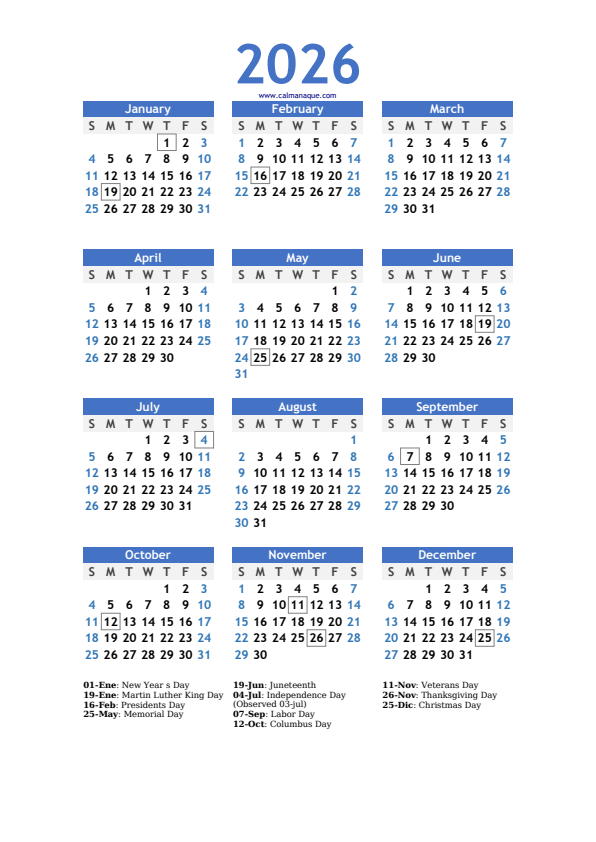
Juneteenth National Independence Day marks the moment when the promise of freedom finally reached the furthest corners of the former Confederacy. Although President Abraham Lincoln issued the Emancipation Proclamation on January 1, 1863, its enforcement depended on the advance of Union troops, and Texas — geographically isolated and far from the main theaters of war — remained a stronghold of slavery well after the document took effect. It was not until June 19, 1865, when Major General Gordon Granger and roughly two thousand federal troops landed at Galveston and issued General Order No. 3, that the roughly 250,000 enslaved people in Texas learned they were legally free. The order declared an absolute equality of personal rights and rights of property between former masters and slaves, transforming the relationship into one between employer and hired labor.
The announcement sparked immediate celebration among the newly freed men, women, and children, who poured into the streets of Galveston with prayer, song, and feast. In the years that followed, Black communities across Texas began marking June 19 with gatherings that blended worship, education, family reunion, and political organizing. These early commemorations, often called Jubilee Day or Emancipation Day, became vital spaces for preserving oral history, teaching literacy, and organizing for civil rights during Reconstruction and the long decades of Jim Crow that followed. As Black Texans migrated north and west during the Great Migration, they carried the tradition with them, planting Juneteenth celebrations in cities from Los Angeles to Chicago to New York.
The holiday gained renewed momentum during the civil rights movement of the 1960s, when the Poor People's Campaign held a Solidarity Day rally on June 19, 1968, at the Lincoln Memorial, explicitly linking the unfinished work of economic justice to the legacy of emancipation. Texas became the first state to declare Juneteenth an official holiday in 1980, and over the following decades, almost every state followed with some form of recognition. The murder of George Floyd in 2020 and the ensuing racial justice protests catalyzed a national reckoning that culminated on June 17, 2021, when President Joe Biden signed the Juneteenth National Independence Day Act, establishing June 19 as the twelfth federal holiday — the first new one since Martin Luther King Jr. Day in 1983.
Today, Juneteenth is observed with parades, festivals, readings of the Emancipation Proclamation, performances of spirituals and spoken word, historical reenactments, and community meals centered on red foods — strawberry soda, red velvet cake, barbecued meats — symbolizing resilience and the blood shed in the struggle for freedom. Educational panels, voter-registration drives, and discussions about reparations and racial wealth gaps keep the day rooted in activism as well as celebration. The holiday also invites reflection on the gap between legal emancipation and lived equality: the Thirteenth Amendment abolished slavery in December 1865, yet sharecropping, convict leasing, segregation, and systemic discrimination delayed true freedom for generations. Juneteenth stands not only as a commemoration of a single day in Galveston but as an annual reckoning with the distance between proclamation and practice, inviting every American to consider what freedom still requires.