Every October, Americans pause to reflect on the anniversary of Christopher Columbus's historic voyage across the Atlantic. The tradition began modestly in 1792 when New York's Columbian Order, also known as Tammany Society, organized the first formal commemoration to mark three centuries since that initial landing. For nearly a century, these local observances remained scattered across communities until political tensions transformed the holiday's trajectory. In 1892, following the lynching of eleven Italian immigrants in New Orleans, President Benjamin Harrison issued a national proclamation that year, strategically aimed at calming diplomatic relations with Italy and addressing the concerns of the Italian-American population. This deliberate political gesture established the foundation for what would become an enduring federal observance.
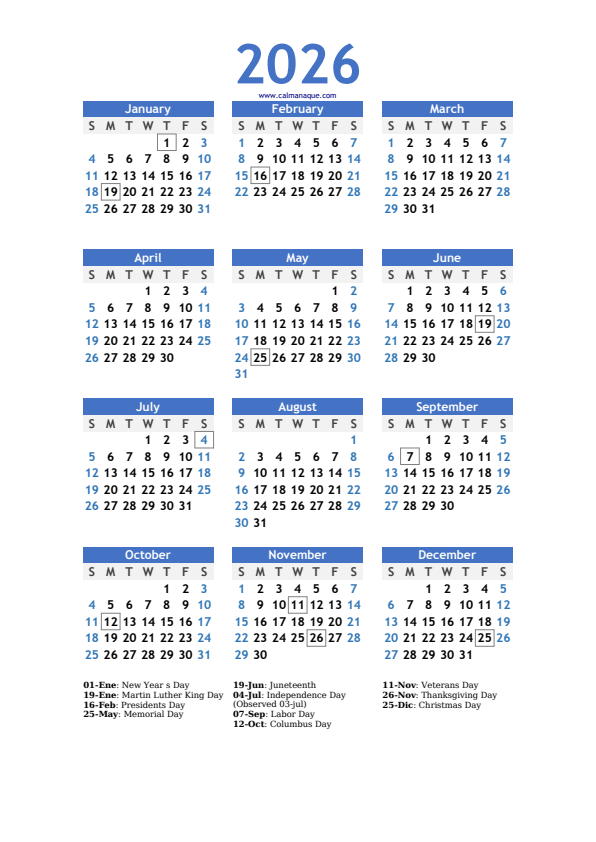
The holiday gained permanent status through congressional action in 1934, when lawmakers passed legislation requiring annual presidential proclamations. President Franklin D. Roosevelt responded with the first official proclamation in 1937, cementing October 12 as the designated date. However, practical considerations soon prompted another adjustment. In 1971, the observance shifted from the fixed October 12 to the second Monday of the month, creating a three-day weekend that aligned with the federal holiday schedule established by the Uniform Monday Holiday Act of 1968. President Lyndon B. Johnson had signed this legislation on June 28, 1968, recognizing the cultural significance while accommodating modern workweek patterns.
The holiday serves multiple purposes in contemporary America. Primarily, it commemorates Columbus's arrival in the New World, specifically his October 12, 1492, landing on Guanahani Island in the Bahamas. Beyond honoring that historical moment, the observance has evolved to recognize the substantial contributions of Hispanic and Italian-American communities to the nation's cultural fabric. These populations have profoundly shaped American society through waves of immigration, bringing traditions, foodways, religious practices, and artistic expressions that enrich communities nationwide.
Federal institutions embrace this holiday as a day of recognition. The United States Postal Service closes its doors, banks suspend operations, and bond markets take pause. Government agencies at all levels suspend regular business, while most school districts grant students a day away from classrooms. For many Americans, it represents an opportunity to reflect on the complex legacy of exploration and the diverse heritage that characterizes modern American society.
The naval tradition adds another dimension to the celebration. The timing coincides with the October 13 anniversary of the United States Navy's founding in 1775, creating a unique confluence of maritime commemorations. Both the Navy and Marine Corps traditionally grant liberty periods spanning 72 to 96 hours during this timeframe, allowing service members extended time away from their duties. This practice acknowledges the special significance of this particular weekend for those who serve in America's sea services.
Parades unfold in cities with significant Italian-American populations, from New York's Manhattan to San Francisco's North Beach district. Communities organize festivals featuring traditional foods, music, and cultural displays that showcase the heritage the holiday celebrates. These gatherings reinforce the social bonds between neighbors while educating younger generations about the immigrant experiences that built their communities. At the same time, contemporary discussions surrounding the holiday often examine its full historical context and the perspectives of indigenous peoples.
The transformation of Columbus Day from a simple remembrance of a maritime expedition into a complex federal observance reflects broader changes in how American society understands its own history. What began as a local commemorative gesture evolved through political necessity and cultural evolution into the present-day holiday structure. The continued observance demonstrates how historical narratives adapt to serve contemporary social functions while maintaining connections to foundational moments in the national story. Celebrations often feature traditional Italian cuisine, with families gathering to share meals centered around pasta, seafood, and regional specialties that connect diners to ancestral roots. Schools sometimes organize cultural presentations where students learn about navigation methods of the late fifteenth century, the three caravels of the Santa Maria expedition, and the broader Age of Exploration that connected continents. The day stands as a reminder of how immigrant communities have shaped American identity through perseverance and cultural preservation.