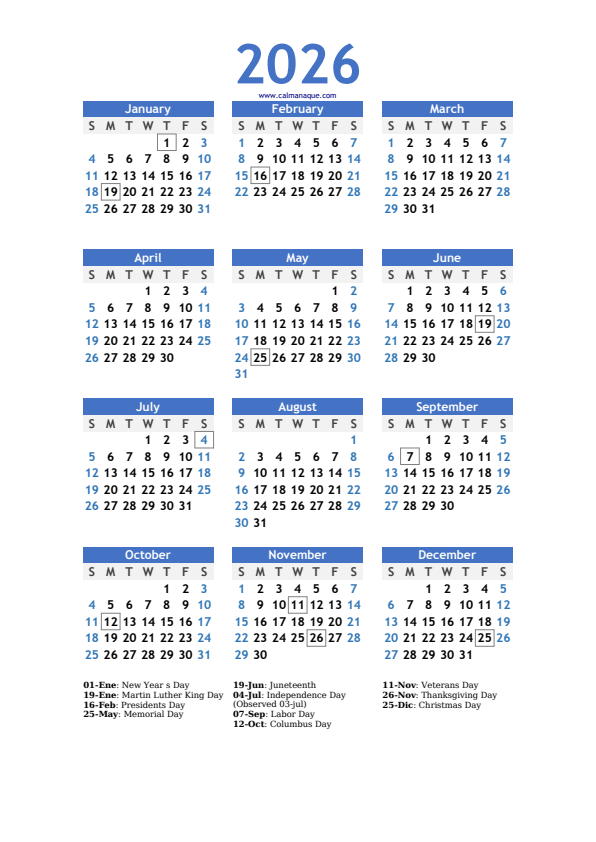
The eleventh hour of the eleventh day of the eleventh month — that moment in 1918 when the artillery fell silent across the Western Front became the anchor for a national observance that has evolved across a century. President Woodrow Wilson marked the first anniversary in 1919 with a proclamation that spoke of gratitude for the victory and the opportunity it gave America to show sympathy with peace and justice among nations. Congress followed with annual resolutions, and by 1938 the date was fixed in law as Armistice Day, a legal holiday dedicated to the cause of world peace.
The transformation came after the second global conflagration and the conflict in Korea. The ranks of veterans had swelled beyond the doughboys of 1917-1918, and the name no longer fit the reality. In 1954, at the urging of veterans' organizations and with the leadership of Kansas Congressman Ed Rees, President Dwight Eisenhower signed Public Law 380, striking "Armistice" and inserting "Veterans." Raymond Weeks, an Alabama veteran who had organized a "National Veterans Day" parade in Birmingham since 1947, received recognition as the driving force behind the change. His vision had been simple: honor all who served, not only those of a single war.
A detour arrived in 1968 with the Uniform Monday Holiday Act, which shuffled several federal observances to Mondays to create three-day weekends. Veterans Day was moved to the fourth Monday in October, and the first such observance in 1971 produced widespread confusion. Many states refused to follow, keeping ceremonies on November 11. The historical weight of the original date proved stronger than legislative convenience. President Gerald Ford signed Public Law 94-97 in 1975, returning the holiday to its fixed date effective 1978, where it has remained.
The day's character distinguishes it from its spring counterparts. Memorial Day, born from the decoration of Civil War graves, is a solemn remembrance of those who gave their lives. Armed Forces Day, established in 1949, salutes those currently in uniform. Veterans Day occupies a different space — it reaches across generations to acknowledge every man and woman who has taken the oath, whether they served in the trenches of the Argonne, the jungles of Vietnam, the deserts of Iraq, or the mountains of Afghanistan, and whether they saw combat or stood watch in peacetime garrisons.
Ceremonies follow a familiar rhythm. At Arlington National Cemetery, a wreath is laid at the Tomb of the Unknown Soldier precisely at 11 a.m., accompanied by the playing of "Taps." Communities across the country hold parades, school assemblies, and moments of silence. Restaurants and businesses offer free meals or discounts to veterans. Flags fly at full staff, unlike the half-staff protocol of Memorial Day. The Veterans Day National Committee, chaired by the Secretary of Veterans Affairs, coordinates the official observance and selects a yearly theme — recent ones have highlighted themes of service, sacrifice, and the enduring promise to care for those who have borne the battle.
Yet the day also carries quieter currents. For many veterans, it is a time of reflection rather than celebration. The transitions from military to civilian life, the invisible wounds of post-traumatic stress, the challenges of navigating a complex benefits system — these realities do not pause for a holiday. Organizations large and small use the visibility of November 11 to advocate for better mental health care, employment programs, and housing support. The holiday thus serves a dual purpose: public gratitude and a reminder of ongoing obligations.
In schools, the day becomes a living history lesson. Veterans visit classrooms to share stories that no textbook can convey — the smell of diesel and rain in a Korean winter, the tension of a night patrol in Fallujah, the boredom and camaraderie of a peacetime deployment in Germany. Students learn the difference between the holidays on the calendar and, perhaps more importantly, that the veteran sitting in the front row of the assembly is not a symbol but a neighbor, a parent, a grandparent whose service shaped the world they inherit.
As the veteran population ages — the last surviving World War II service members now in their late nineties, the Vietnam generation entering their seventies — the composition of the day shifts. Newer veterans from the post-9/11 era bring different experiences: multiple deployments, an all-volunteer force, a civilian-military gap that has widened since the draft ended in 1973. Yet the thread connecting them all remains the oath to support and defend the Constitution. November 11 honors that thread, not as a relic but as a living commitment that each generation renews in its own way.