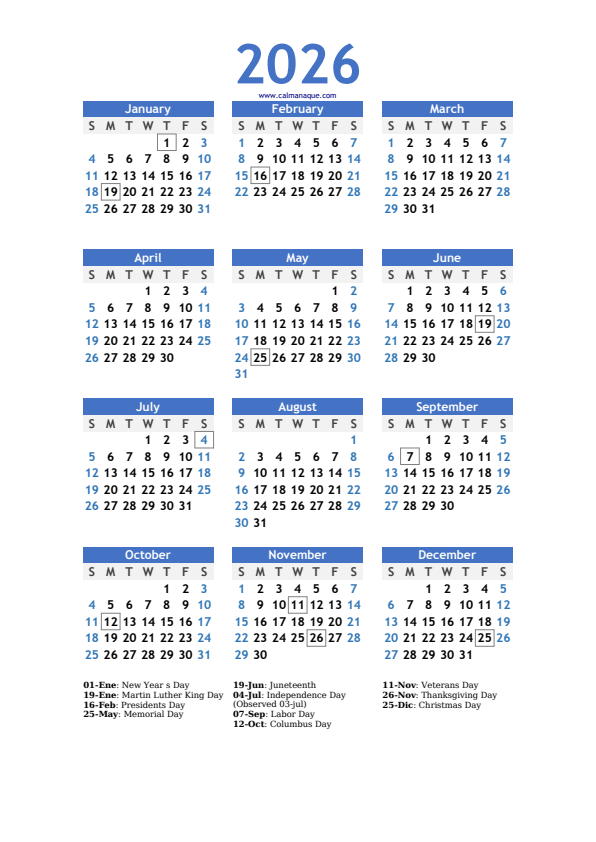
Labor Day stands as a testament to the American labor movement's enduring legacy, observed each year on the first Monday of September. The holiday traces its origins to the late nineteenth century, when industrial workers faced grueling hours, hazardous conditions, and minimal protections. The first Labor Day celebration unfolded on September 5, 1882, in New York City, organized by the Central Labor Union. Thousands of workers marched from City Hall to Union Square, sacrificing a day's wages to demonstrate solidarity and demand fair treatment. Oregon became the first state to recognize the holiday officially in 1887, followed by Colorado, Massachusetts, New Jersey, and New York within the year. By 1894, thirty states had adopted the observance, pressuring the federal government to act.
The catalyst for federal recognition arrived that spring with the Pullman Strike, a nationwide railroad boycott that paralyzed rail traffic and escalated into violent clashes between workers and federal troops. President Grover Cleveland, seeking reconciliation with organized labor after the crackdown, signed legislation on June 28, 1894, designating the first Monday in September a national holiday. Both Peter J. McGuire, cofounder of the American Federation of Labor, and Matthew Maguire, a machinist and union leader, have been credited with proposing the holiday; historical debate continues over which man deserves primary credit.
Unlike International Workers' Day on May 1, which commemorates the 1886 Haymarket Affair in Chicago and carries socialist associations, Labor Day was deliberately placed in September to distance the American observance from radical movements. The timing also provided a seasonal bridge between Independence Day and Thanksgiving. Over the decades, the holiday's character shifted. Grand parades featuring union floats and marching bands once dominated city streets, showcasing the strength of organized labor. Today, while unions still march in cities like New York, Chicago, and Detroit, the day has largely evolved into a cultural milestone marking summer's unofficial close. Families gather for backyard barbecues, retailers launch end-of-season sales, and students prepare for the academic year. Professional sports leagues, particularly the NFL, traditionally kick off their seasons during Labor Day weekend.
Yet the holiday's roots remain relevant. Union membership has declined from its mid-century peak, yet debates over minimum wage, workplace safety, gig-economy protections, and collective bargaining rights echo the struggles that birthed the holiday. Labor Day serves as both a celebration of past victories and a reminder that the conversation about workers' dignity remains unfinished. As Americans fire up grills and enjoy a final long weekend, the holiday quietly honors the generations who fought for the eight-hour day, weekends, and workplace protections many now take for granted.