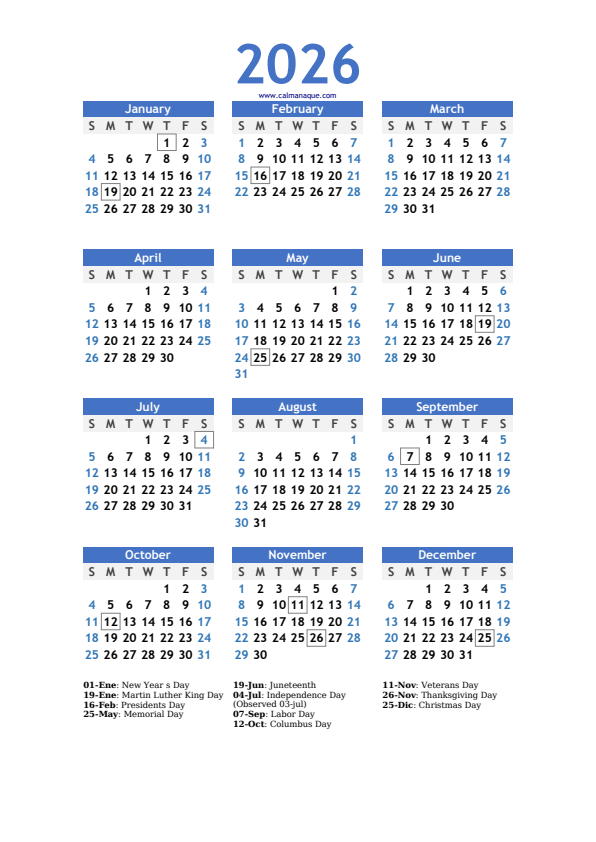
Christmas Day in the United States stands as the most widely observed holiday on the American calendar, a cultural phenomenon that transcends its religious origins to become a shared national experience. The federal holiday, established in 1870 under President Ulysses S. Grant, falls on December 25th each year, though the celebration extends well beyond a single day. For weeks beforehand, homes and public spaces transform with strings of lights, evergreen wreaths, and inflatable figures dotting lawns from suburban cul-de-sacs to Manhattan storefronts. The Christmas tree, a tradition brought by German immigrants in the 1800s and popularized after Queen Victoria and Prince Albert were illustrated beside one in 1848, remains the centerpiece of domestic decoration, whether freshly cut from a local farm or retrieved from an attic box.
The morning of December 25th typically begins early in households with children, as families gather around the tree to exchange wrapped gifts — a practice rooted in the biblical Magi's offerings to the infant Jesus but amplified by Victorian-era commercialization and 20th-century advertising. Santa Claus, the Americanized evolution of the Dutch Sinterklaas and British Father Christmas, dominates the cultural imagination; his modern red-suited, reindeer-driving persona was cemented by Clement Clarke Moore's 1823 poem "A Visit from St. Nicholas" and later by Coca-Cola's 1930s advertising campaigns. Children leave cookies and milk for his midnight visit, while NORAD's Santa Tracker, born from a 1955 Sears misprint that directed calls to a Continental Air Defense Command colonel, now draws millions of online followers each Christmas Eve.
The feast that follows varies by region and heritage. Roast turkey or ham often anchors the table, accompanied by stuffing, mashed potatoes, cranberry sauce, and pies — pumpkin, pecan, or apple — reflecting both New England and Southern culinary traditions. Immigrant communities layer their own dishes: tamales in Mexican-American homes, seven fishes among Italian-Americans, or lechon in Puerto Rican celebrations. Church services, from midnight Mass to sunrise gatherings, remain central for practicing Christians, with nativity scenes and carols like "Silent Night" and "O Holy Night" framing the theological core. Yet the day also holds space for those who observe it secularly: movie marathons featuring classics like "It's a Wonderful Life" and "A Christmas Story," football games, and volunteer shifts at shelters and soup kitchens.
Economically, Christmas drives a massive retail surge; the National Retail Federation regularly reports holiday spending exceeding $900 billion in recent years, encompassing gifts, decorations, food, and travel. This commercial engine has sparked ongoing debates about materialism versus meaning, prompting movements like "Advent Conspiracy" and "Buy Nothing Christmas" that encourage charitable giving over consumption. Meanwhile, the holiday's inclusivity continues to evolve. Public displays increasingly acknowledge Hanukkah, Kwanzaa, and secular winter festivals alongside Christian symbolism, reflecting a pluralistic society. Schools navigate the "December dilemma" with policies balancing educational inclusion and constitutional separation of church and state.
Curiosities abound. Alabama became the first state to recognize Christmas as a legal holiday in 1836; Oklahoma was the last, in 1907. The White House has hosted an official tree since 1889, and the National Christmas Tree lighting on the Ellipse dates to 1923 under President Calvin Coolidge. The Rockefeller Center tree, a New York icon since 1931, draws hundreds of thousands of visitors annually. Even the postal system adapts: the USPS issues special Christmas stamps each year and processes billions of holiday cards and packages, with December volumes often doubling typical loads. In small towns and big cities alike, Christmas Day remains a pause in the national rhythm — a day when commerce quiets, families reconnect, and the country, however briefly, shares a common calendar.